Why Voshte Gustafson Pays Attention to Small Details in Branded Apparel
Voshte Gustafson
When Branded Apparel Is Worn, Details Are Noticed
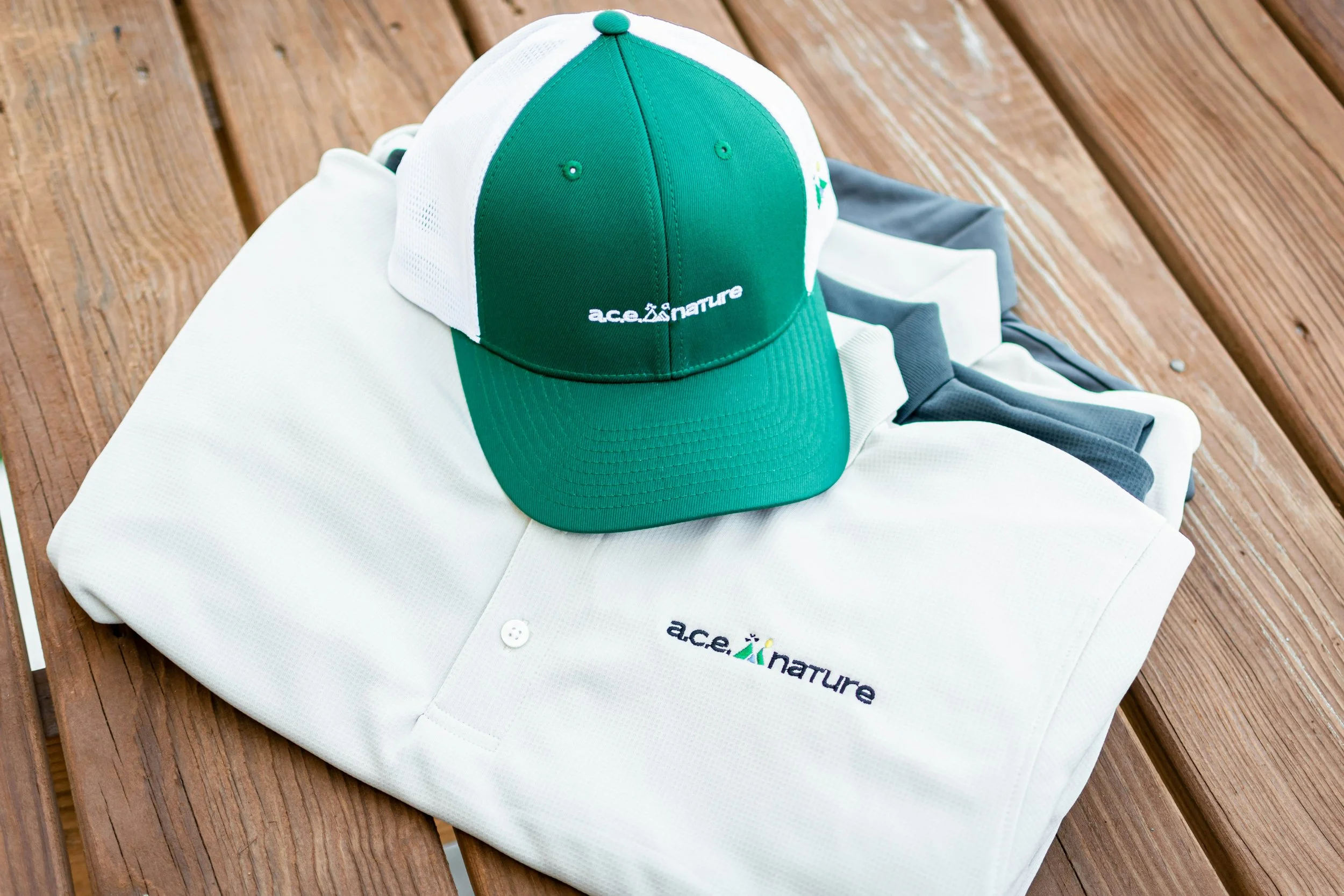
Promotional products made from apparel serve a unique purpose. They're worn on someone's body, visible to others throughout the day, and subject to repeated use and washing. Every detail that's slightly off becomes increasingly obvious with each wearing.
A logo placed just a fraction of an inch too high looks wrong. A thread color that doesn't quite match the design specifications catches the eye. Stitching that's uneven undermines the entire impression of quality.
These aren't theoretical concerns. They're practical realities that Voshte manages proactively.
When people wear branded apparel, they're effectively advertising for an organization. Details matter because they signal whether that organization cares about quality.
Logo Placement: Precision Matters More Than You'd Think
The placement of a logo on a t-shirt or jacket isn't just aesthetic. It affects how the design is perceived when the garment is worn. A logo that's centered on the chest at the correct distance from the shoulders looks intentional and professional.
The same logo placed just half an inch too high looks careless.
Voshte works with clients to establish exact specifications for logo placement. She documents these specifications in production files so every single item comes off the line correctly positioned.
Many organizations don't think about logo placement detail until they receive the finished products. By then, it's too late to correct the issue without expensive reprinting.
Thread Color as a Brand Signature
The thread used to stitch a logo or design onto apparel should complement the logo itself and the garment color. A bright red thread on a logo that's meant to be subtle undermines the design. Visible stitching that doesn't match the intended color draws attention to seams rather than the actual design.
Voshte specifies thread colors to match brand specifications. This requires attention to detail and collaboration with production partners who actually understand why this matters.
It's easy to dismiss thread color as minor. It's actually a detail that distinguishes professional branded apparel from cheap promotional items.
Fabric Weight and Durability: The Foundation of Everything
Branded apparel made from thin, cheap fabric falls apart quickly. Seams split. Fabric pilling becomes visible.
The garment loses its shape. An organization's logo deteriorates along with the apparel quality.
Voshte insists on fabric weight appropriate for the garment and the climate. A t-shirt designed for repeated wearing needs heavier weight cotton or cotton blends. Outerwear in Alaska needs durable materials that can withstand weather.
Fabric quality is the foundation. Without it, every other detail is wasted.
Stitching Quality: A Detail That Affects Longevity
Tight, even stitching holds garments together through repeated washing and wearing. Loose or uneven stitching creates weak points where seams fail. Voshte inspects stitching quality as part of her production oversight.
This is particularly important for items that will be heavily used. A t-shirt given to a construction crew needs bulletproof stitching. A jacket worn to trade shows needs seams that will last through multiple events.
Organizations often can't assess stitching quality just by looking. They discover problems only after wearing the apparel repeatedly. This is why working with a supplier who cares about these details upfront matters so much.
Color Accuracy: Getting What You See
Digital design files and actual printed colors sometimes differ. What looks perfect on a computer screen might print slightly differently on fabric. Voshte works with production partners to ensure color accuracy through proofing processes and careful quality control.
A logo designed in a specific shade of blue needs to print in that exact shade on fabric. Color drift leads to branded apparel that doesn't look like what the organization envisioned.
This requires communication between designers, production teams, and clients. Voshte manages this process to eliminate surprises.
Neck and Sleeve Finishing: The Details No One Plans For
The way a neckline is finished, how sleeves are hemmed, and the overall finishing of a garment affect how professional it looks. Rough or uneven finishing on a neck opening makes an otherwise quality item look shoddy.
Voshte specifies finishing standards and ensures production partners meet them. This prevents the frustration of receiving branded apparel that looks professionally made everywhere except the details that should have been simple.
Good finishing is invisible. Bad finishing is glaringly obvious.
Print Quality and Durability: Logo Longevity
A logo printed onto apparel needs to withstand repeated washing and wearing. A print process that looks good initially but fades after a few washes is a failure. Voshte partners with production teams that use durable printing methods and implements quality checks to verify longevity.
Different printing methods have different durability profiles. Screen printing tends to last longer than some digital methods. Embroidery lasts even longer.
Voshte helps organizations choose printing methods based on their durability needs.
The goal is branded apparel that looks professional six months and a year after it was distributed.
Environmental Durability: Weather-Proofing Your Brand
Branded apparel distributed to multiple locations face unique environmental challenges. Salt water spray affects fabric. Extreme cold can make certain materials brittle.
Sun exposure fades colors. These aren't just theoretical concerns for organizations based in Southeast Alaska or distributing apparel to fishing communities.
Voshte factors environmental durability into her recommendations. Color selections should account for sun exposure.
Fabric choices should handle moisture and salt.
Environmental durability is a practical consideration that many suppliers overlook entirely.
Why Details Compound Over Time
A small detail that's slightly off might not matter much on a single garment. But across an order of 100 or 500 shirts, small issues compound. A logo that's consistently misaligned on every shirt looks like intentional carelessness.
Inconsistent stitching quality suggests sloppy production.
Organizations that distribute branded apparel with quality issues damage their brand with every shirt worn. Conversely, organizations that insist on quality details strengthen their brand continuously.
Voshte's attention to detail isn't perfectionism. It's practical business sense. Quality branded apparel represents an organization well.
Poor quality does the opposite.
The Relationship Between Cost and Detail Quality
Maintaining tight quality standards on details requires more time, more skilled labor, and more rigorous oversight. This costs more than rushing production. Voshte builds these costs into her pricing because she knows that organizations that care about their brand are willing to pay for quality.
Conversely, organizations that make their decision solely on price tend to get exactly what they pay for: cheap apparel with visible quality issues.
Voshte presents this trade-off clearly. Organizations can choose to emphasize cost savings or quality. Most organizations who understand their brand choose quality once they see the difference.